1 Chapter

Inchi Pinchi Tells
To or not to tell the tales !!!
Exclusively available
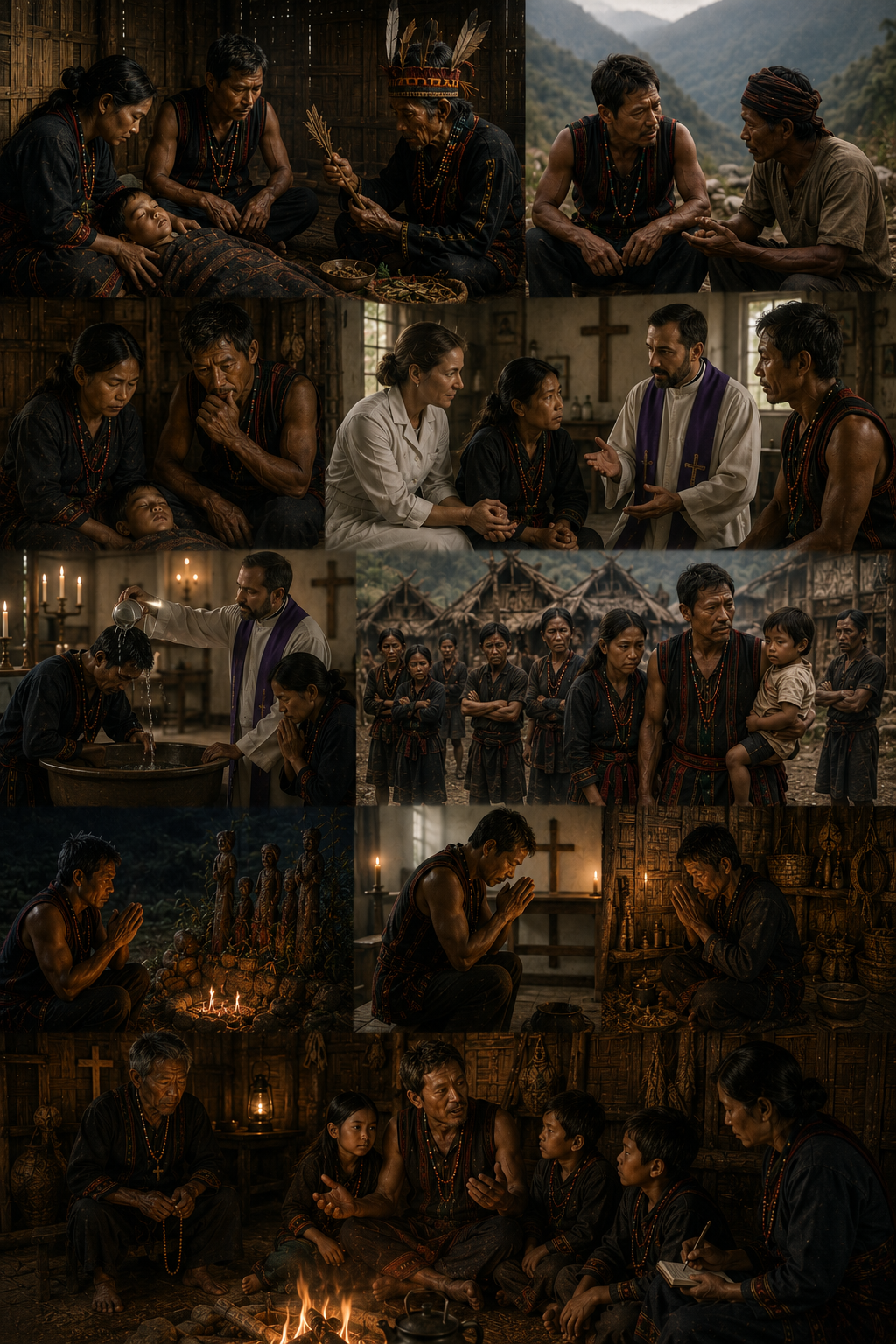
Between Worlds
The story is a tale of two generations , two faiths and two worlds , trying to concile with each other while the world around themselves changes
Inchi Pinchi Tells
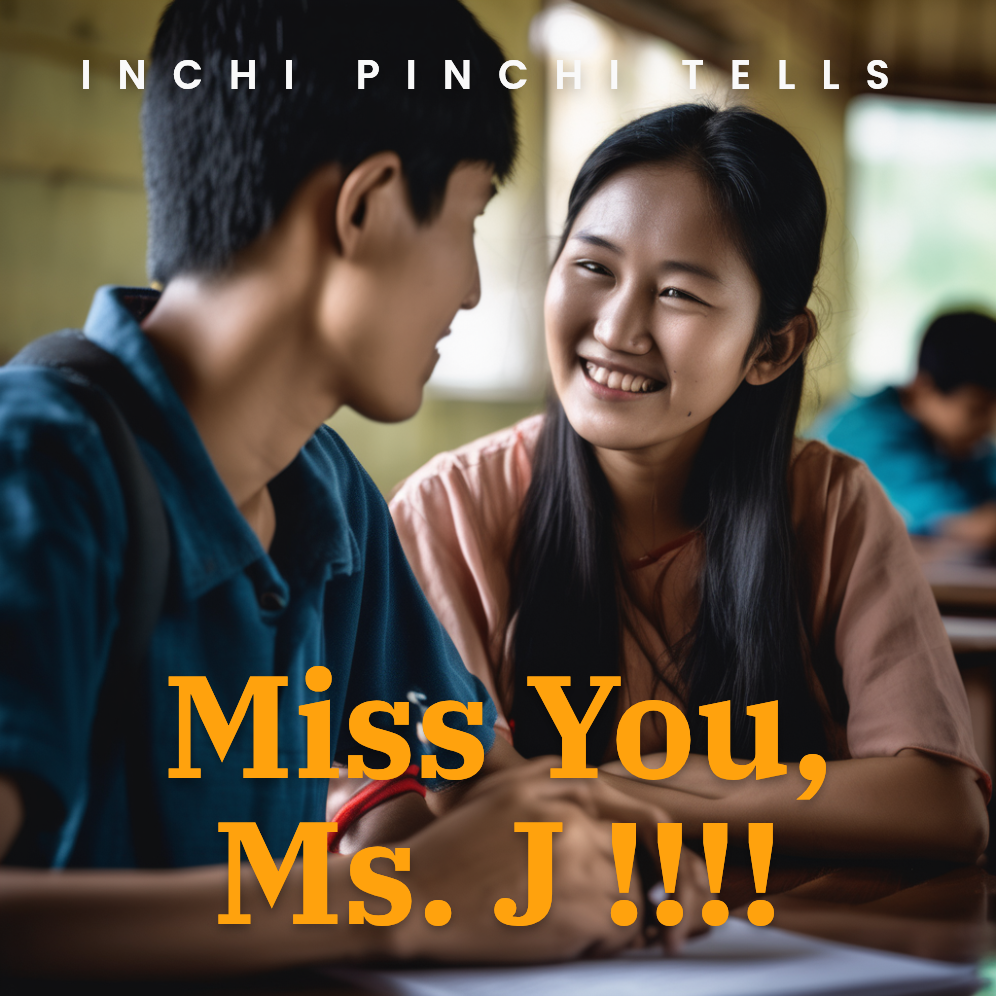
Miss You, Ms. J !!!
" Laut jaati udhar ko bhi nazar, kya kijiye,
Inchi Pinchi Tells
Between Worlds
The story is a tale of two generations , two faiths and two worlds , trying to concile with each other while the world around themselves changes
Inchi Pinchi Tells
Miss You, Ms. J !!!
" Laut jaati udhar ko bhi nazar, kya kijiye,
Inchi Pinchi Tells

The Sangrik's Hug
Inchi Pinchi Tells
Between Worlds
The story is a tale of two generations , two faiths and two worlds , trying to concile with each other while the world around themselves changes
Inchi Pinchi Tells
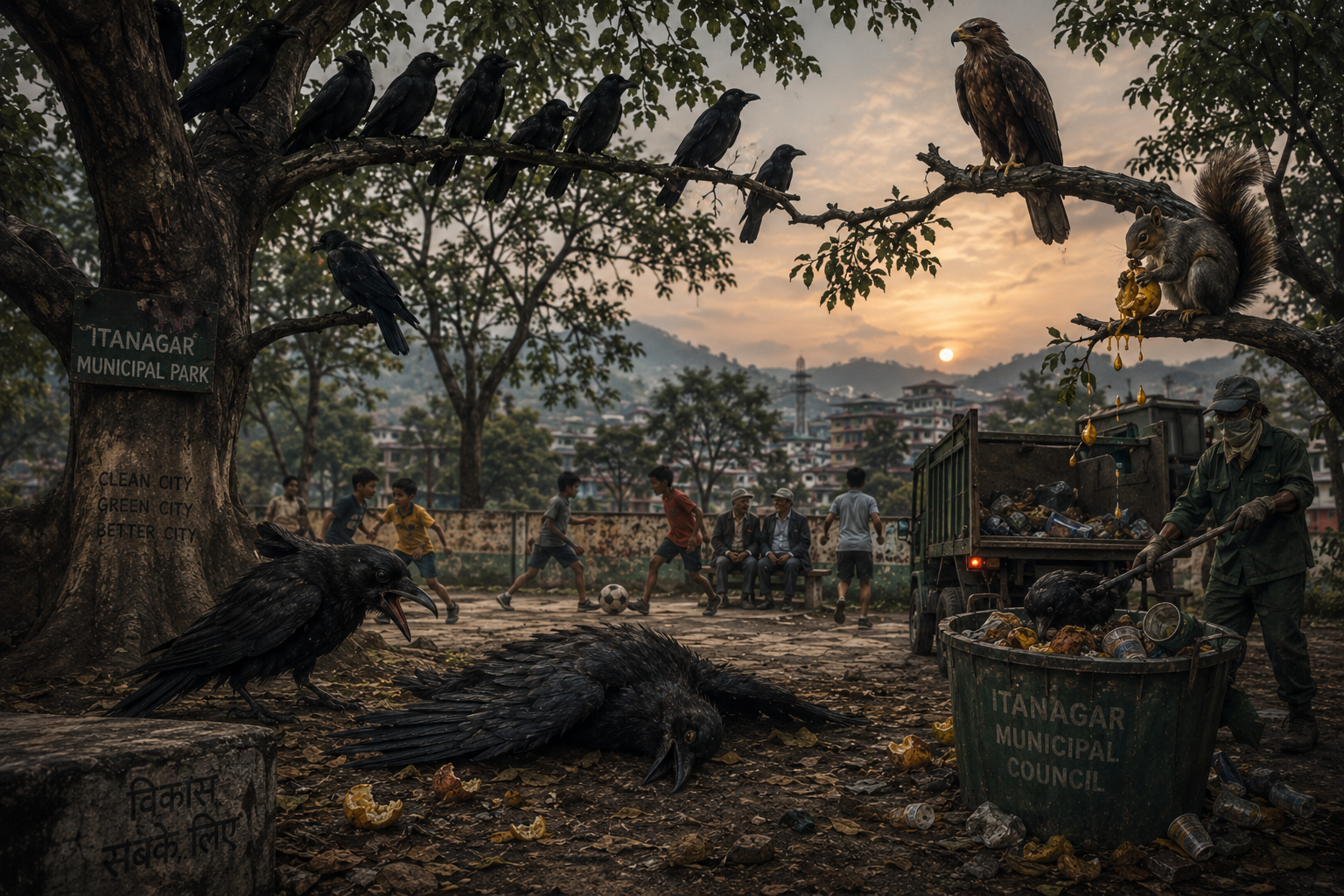
The Death Of the Crow
Set in a quiet park in Itanagar, this poignant short story begins with the death of an ordinary crow and unfolds into a powerful meditation on grief, indifference, and ecological loss. As a widow mourns her lifeless companion, fellow crows debate broken promises, an eagle remains detached, and life around them continues with unsettling normalcy. Through the quiet tragedy of a single bird, the narrative exposes the apathy of urban society, the failure of institutions, and the loneliness of mourning in a world that rarely pauses. Yet the story gradually expands beyond the park and into the forests of Arunachal Pradesh, where the narrator recalls a childhood once filled with the chorus of birds that is now giving way to an unsettling silence. Blending gentle satire, environmental consciousness, and quiet humanism, the story transforms the death of a crow into a lament for disappearing ecosystems and forgotten lives. At its heart, this is not merely a story about a bird. It is a story about memory, loss, and a civilization that continues to build cities while slowly emptying the skies of song.
Inchi Pinchi Tells
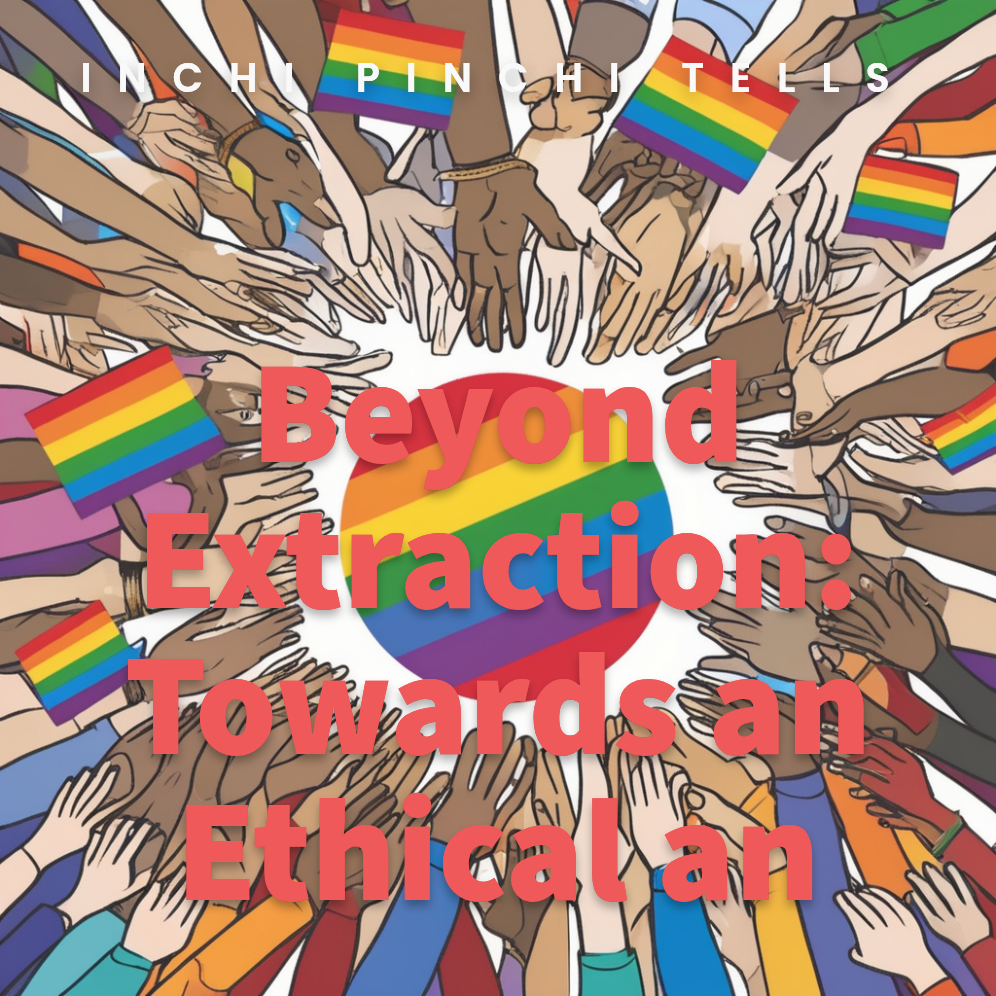
Beyond Extraction
This piece was born from a simple social media post that sparked a much larger conversation about ethics, methodology, and responsibility in LGBTQ+ research. While the call for community engagement is both necessary and valid, it also raises an equally important question: How do we balance meaningful participation with the obligation to protect the privacy and safety of vulnerable individuals? As a researcher, I have witnessed the institutional challenges associated with queer studies—skepticism, scrutiny, and the constant negotiation between academic rigor and social sensitivity. At the same time, I recognize the community's frustration with research that is extractive and disconnected from lived realities. This essay is not an attempt to reject either perspective. Rather, it is an invitation to move beyond binaries and acknowledge that ethical research is built on dialogue, trust, confidentiality, and mutual respect. It argues that the goal of scholarship should not merely be to study marginalized communities but to produce knowledge that is accountable to them while safeguarding their dignity and autonomy. Ultimately, this is a reflection on the shared responsibility of researchers and communities in creating spaces where knowledge can be generated without compromising safety, identity, or humanity.
Inchi Pinchi Tells
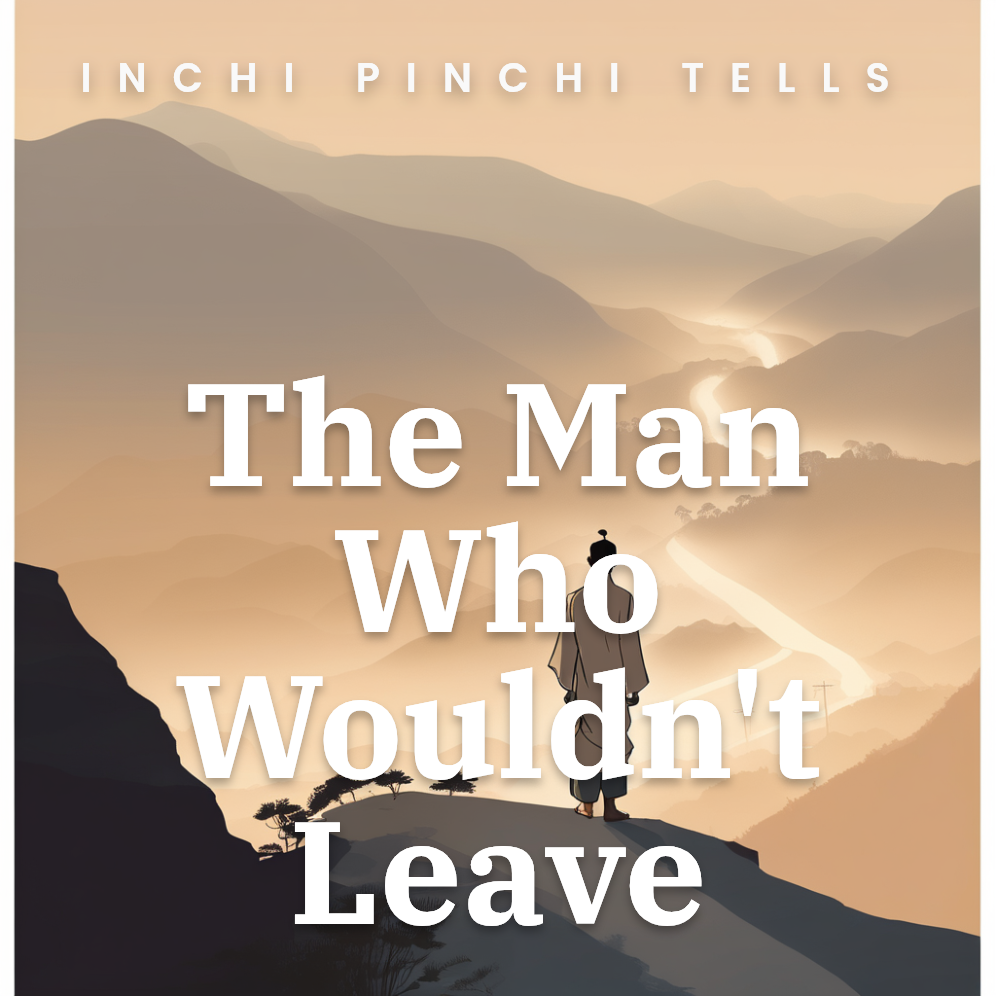
The Man Who Wouldn't Leave
The Man Who Wouldn't Leave is a reflective short story about a young man from Arunachal Pradesh who finds himself haunted by questions about the future of India. Having grown up in relative innocence before experiencing personal pain and disillusionment, he struggles to reconcile his faith in the country's spiritual ideals with the growing divisions he witnesses around him. Through the symbolic presence of Mahatma Gandhi, who appears as a persistent voice of conscience, the story explores themes of moral responsibility, national identity, inner conflict, and the search for purpose in troubled times. Ultimately, it is a story about the burden of caring deeply for one's country and the courage required to move from concern to action.
Inchi Pinchi Tells
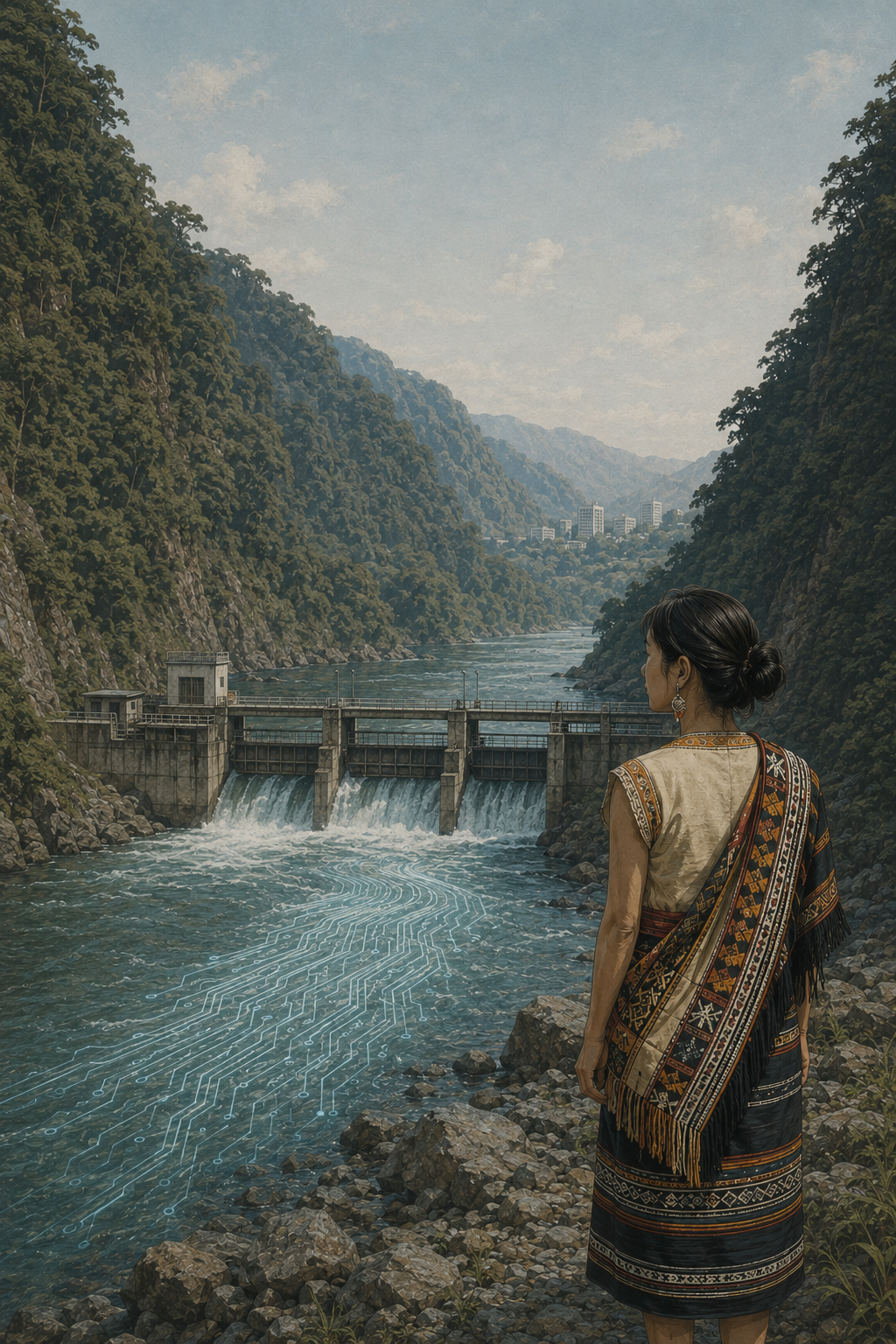
Arunachal Has What the World Is Running Out Of. The Question Is Whether Its Government Will Act Like It.
The state sits on cheap renewable power, abundant water, and land that global industry desperately needs. A serious industrial policy could change its economic trajectory. Here is what that policy needs to say — and why most state governments never say it.
Inchi Pinchi Tells
Write a comment ...